
Lyon - Rhone-Alpes
-
It is the third largest city in France after Paris and Marseille
-
Population 472,317
-
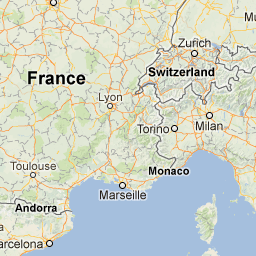
Situated half way between Paris and Marseille
-
The city is known for its historical and architectural landmarks and is a UNESCO World Heritage Site
-
It has developed a reputation as the capital of gastronomy in France (i)
-
It played a significant role in the history of cinema due to Auguste and Louis Lumière, who invented the cinematographe in Lyon.
-
Legend says that the Virgin Mary saved the city from the plague and, to thank her, a statue was built. On the day it was erected, the whole city was lit by candles that its citizens had put at their windows.
-
Lyon is classed as borderline Oceanic and Humid Subtropical.
-
Winters are colder than much of the south of France due to its more inland position, averaging 3.2 °C in January. Summers are “very warm”, averaging 21.3 °C hahah!!! Average rainfall is 840 millimetres (33.1 in), but the winter months are the driest.
[i]For several centuries Lyon has been known as the French capital of gastronomy, due in part to the presence of many of France's finest chefs in the city and its surroundings (e.g. Paul Bocuse). This reputation also comes from the fact that two of France's best known wine-growing regions are located near Lyon: the Beaujolais to the North, and the Côtes du Rhône to the South. Beaujolais wine is very popular in Lyon and remains the most common table wine served with local dishes.